
what_you_need
Prepare the inputs before opening the apps
- A theme broad enough to support a complete book
- A scene or topic list
- A target trim size and rough page count
- Time for visual selection and print review
step_by_step
The working process
-
1
Define the book, not one prompt
Choose a theme, audience, trim size, and approximate number of spreads. Build scene ideas, recurring motifs, section breaks, and cover directions before generating anything.
-
2
Generate a wider image set
In Batch Generate Image with any AI, set a reusable visual direction and an appropriate page ratio. Generate more candidates than the book needs so selection, not luck, controls the result.
-
3
Reject and sequence
Remove off-theme images, obvious artifacts, weak compositions, and repetitive scenes. Arrange the survivors so colour, subject, and mood change with intention.
-
4
Prepare the selected images for print
Use Batch Enhance Image only on the final shortlist. Check target pixel dimensions and inspect enlarged files closely; upscaling cannot repair a fundamentally poor source.
-
5
Create and assemble the pages
Use Batch Text to PDF for text, image, or paired text-image pages. Choose Background placement when approved text should sit over a full-page visual. If sections were exported separately, use numbered filenames and Batch Merge PDFs to assemble the final order locally.
-
6
Proof a physical copy
Check margins, crop, colour, page order, and spine/cover requirements against the printer’s current specification. A digital PDF review does not replace a physical proof.
human_checkpoint
Review before you call it finished
- Does the sequence feel like one object rather than a prompt dump?
- Are weak hands, text artifacts, and near-duplicates removed?
- Do the final pixel dimensions fit the printer’s specification?
- Has a physical proof been checked before gifting or selling?
honest_boundaries
Limits and privacy
Practical limitation
AI generation does not guarantee character consistency, printable detail, or correct typography. Human selection, layout work, and printer-specific proofing remain essential.
Privacy boundary
Image prompts go to the AI provider selected in Batch Generate Image with any AI. Enhancement, PDF conversion, merging, and the saved outputs run locally.
made_with_this_workflow
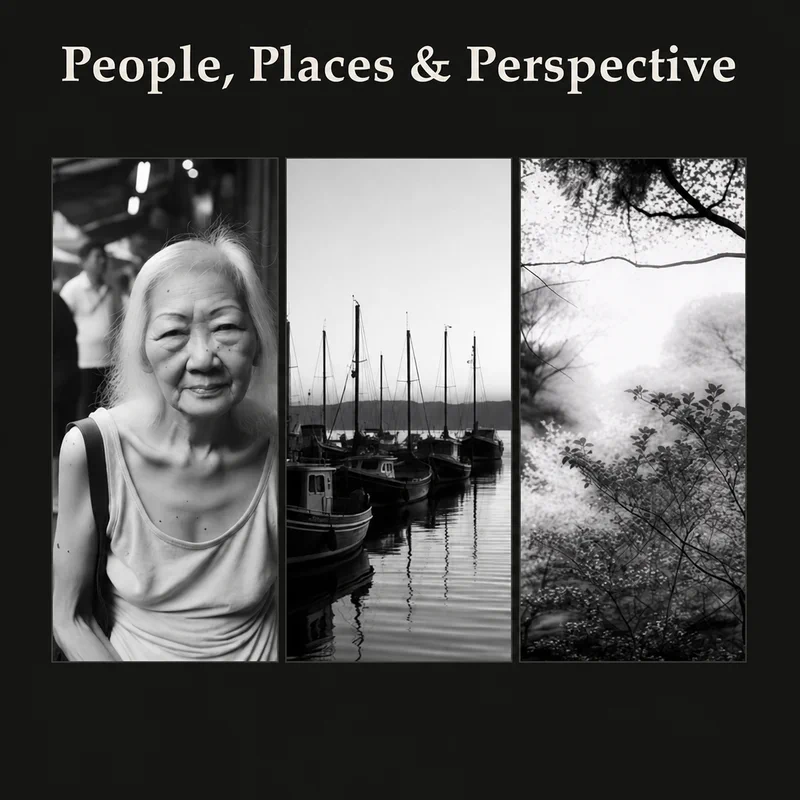
A finished Work, not just a generated output
faq
Questions worth answering
Do I need to be a designer?
You do not need a design title, but you do need judgment. Selection, sequencing, margins, and proofing determine whether the result feels deliberate.
Can I sell the finished book?
Potentially, if you have the necessary rights and the work meets the chosen platform’s current content and print requirements. Check those requirements before publication.